As the school year begins, many of us are already navigating challenges to ensure our children receive the support they deserve. At BCEdAccess, we know this process all too well—because like you, we are parents and guardians of kids with disabilities. We understand that resolving issues in schools isn’t just about speaking up, it’s about knowing how to navigate systems and leverage the tools available to us.
If you have a concern about the health, education or safety of your child, most often, following the informal complaints process can resolve it. This means trying to resolve the issue with the staff directly involved first, then the principal, then the school district principal, etc.
Every public school district has a bylaw for an appeal directly to the School Board under Section 11 of the School Act. You can usually find it by searching the school district site for ‘Section 11 appeal’, or you can call the district office to ask. Many of them have a provision that requires you to follow an informal complaints process first before filing a Section 11 appeal. The school act, however, does not have this requirement. Any decision of an employee of a board that significantly impacts the health, education or safety of a child can be appealed to the board (Section 11.2).
If your child or youth attends independent school, these schools are governed by the Independent School Act, so they don’t have the Section 11 appeal piece. You can still escalate through the same informal complaints process, and usually can appeal to the Board of Directors of the school. These schools have fewer requirements from the government to give access to education but are certainly subject to the same human rights requirements as everyone.
Three brief words of advice on complaints:
Everything in writing. If a hallway meeting or phone call happens, follow up with an email. Send your requests by email. The principal may call you to respond. Talk with them, and then follow up by email. Find support for this if you need it! You can then reply to emails and add in other people if you are escalating the concern to the next level and everyone has the history of the conversations.
Bring support to meetings. Don’t go to meetings in person or online alone if you can possibly avoid it. Bring advocacy support, your doctor, your best friend, or all of the above. Someone to take notes, be a witness. People who work with your child or youth outside of school can be great but grandma or your neighbour will also be helpful. Meetings can be emotional and it helps to have a third party there to listen and support you.
Keep things moving. Don’t wait a long time for an answer. Delays can be because staff are understandably really busy but your child or youth is waiting for a solution in the meantime. In your written communication make sure you say when you’re expecting a response by. A week is the longest recommended to give for a response if it isn’t immediately urgent, 2 or 3 days is often better so you’re hearing back in the same week, and for anything urgent by today or tomorrow at the latest. Very urgent, make that phone call and follow up with an email just to document it.
If you wait for as long as you said you would, and you get no response, you can go up to the next level.
Here are some tools for writing emails, and learning about your rights and the rights of your child/youth in education:
Here’s a tool you can use as a brief overview of advocacy and conflict resolution in K-12 education in BC:
Advocacy and Conflict Resolution
For a really excellent detailed parent guide on inclusive education in BC:
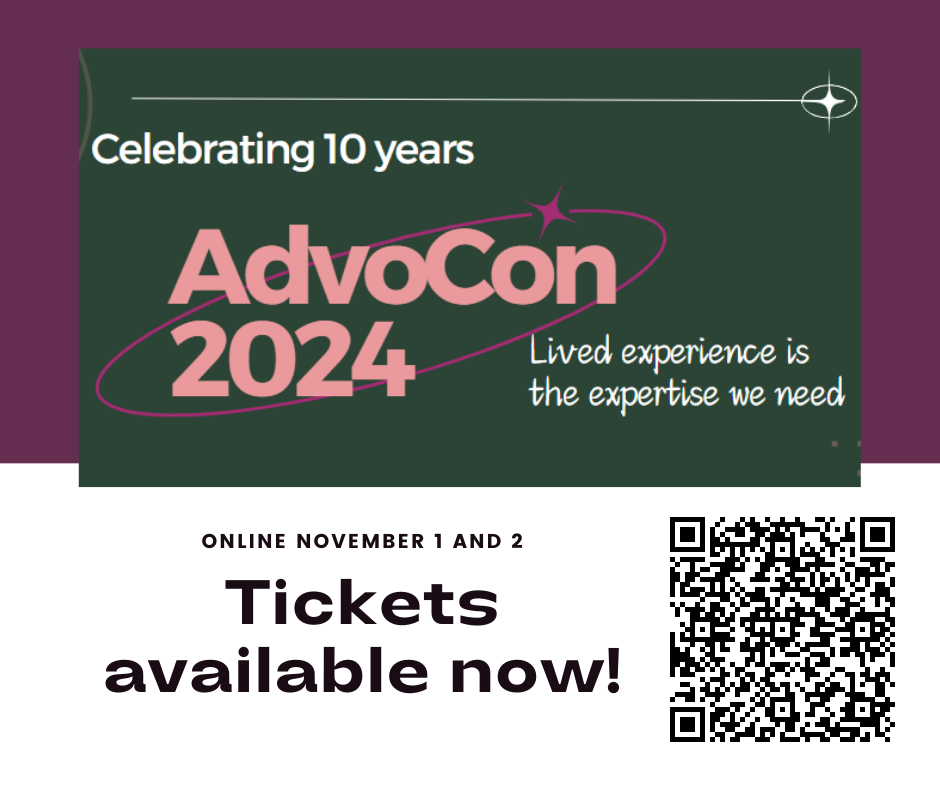
To learn more you can join us at AdvoCon2024. Lived experience is the best expertise! Scroll through this page for details:
We’ll be celebrating 10 years of coming together as a community of parents, guardians, and advocates who are working together to build a more inclusive world for our kids. We have spent the past 10 years gathering to support each other, share strategies, inspire action, and push for systemic change. When you join us online on November 1 and 2, you’ll find workshops that offer practical advice on self-advocacy, human rights, and accessibility, and like-minded people who have been there just like you.
Our keynote speaker, Symbia Barnaby, along with other workshop presenters, will show us how lived experience is not just valuable, it’s the expertise we need to drive real change.
Get your tickets today and join us in continuing the movement. Visit https://bcedaccess.com/advocon-2024-ticket-information/ to reserve your spot!
 BCEdAccess Society